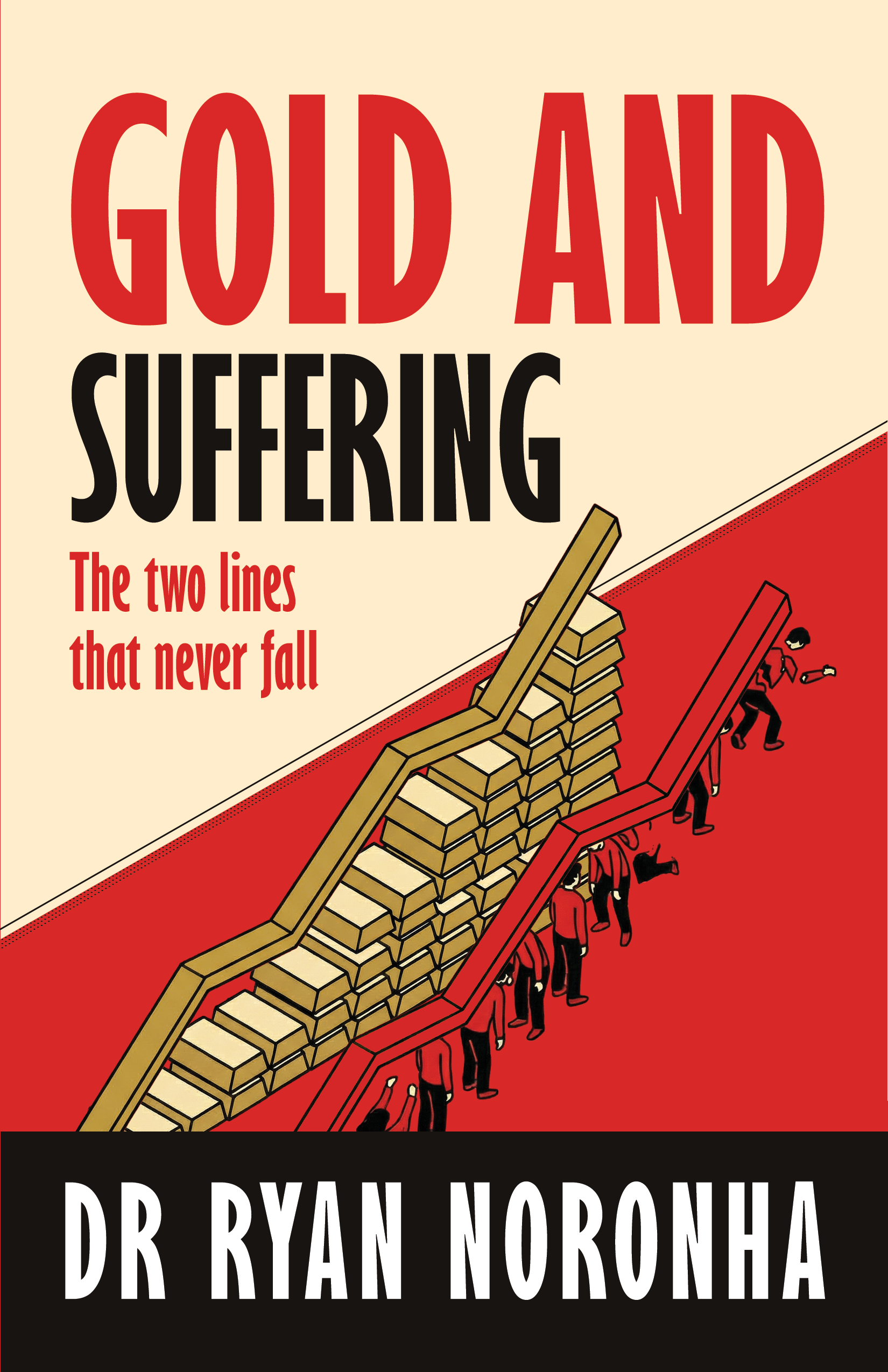
Eleven books tracing the architecture of modern life, from the financial system that captured sovereignty four centuries ago to the forces that shape our societies, our lives, and our suffering today.
FIRST BOOK COMING 29 AUGUST 2026
SCROLLTHE FIRST BOOK
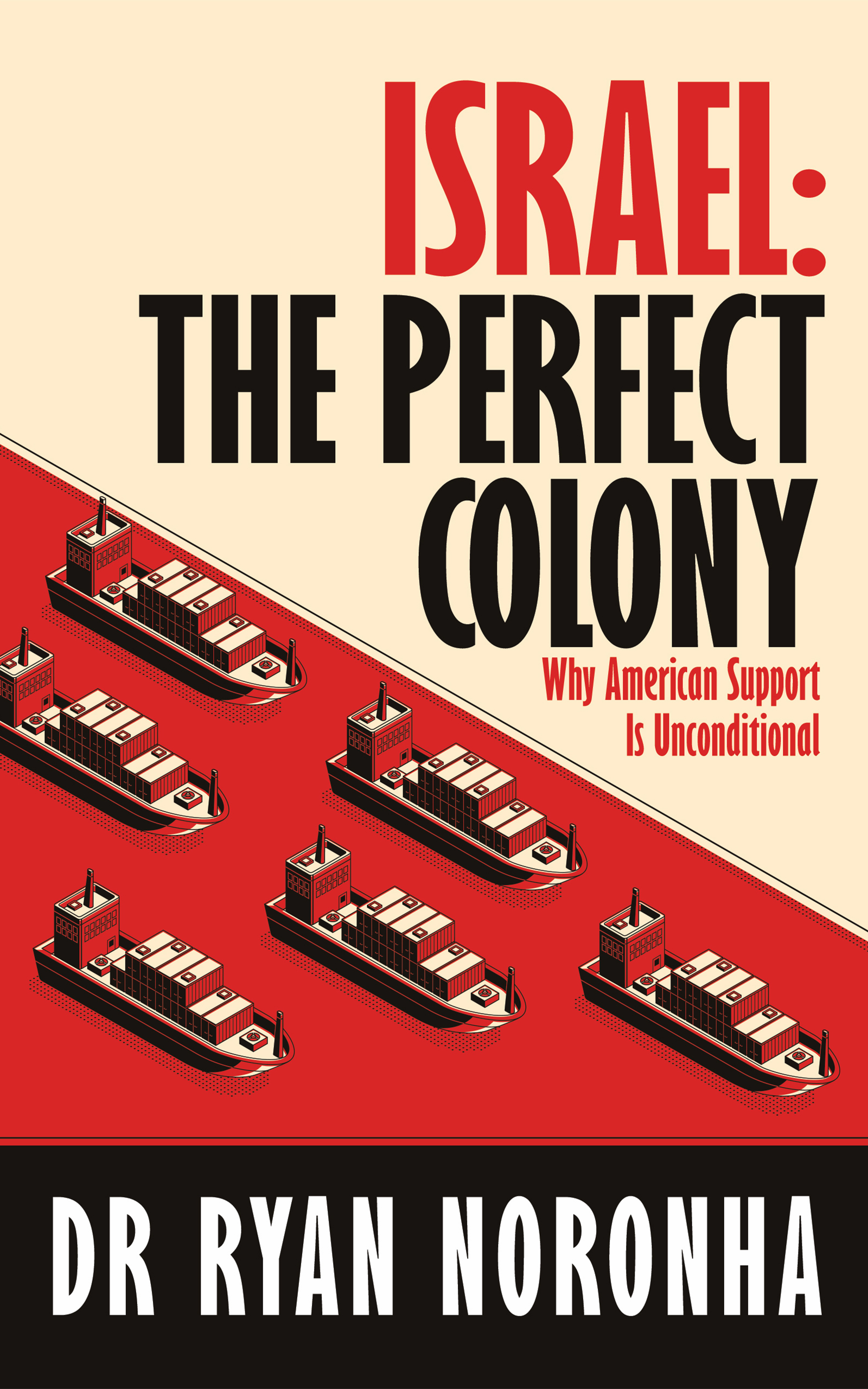
Why American Support Is Unconditional
COMING 29 AUGUST 2026
Israel doesn’t look like a colony. It looks like a startup nation — high-tech, militarily sophisticated, culturally vibrant. That’s what makes it perfect.
Four books tracing 400 years of financial capture — from the purchase of the English Crown in 1688 to the architecture of permanent global control.
BOOK I
How Amsterdam Bought the English Crown
COMING 2026
BOOK II
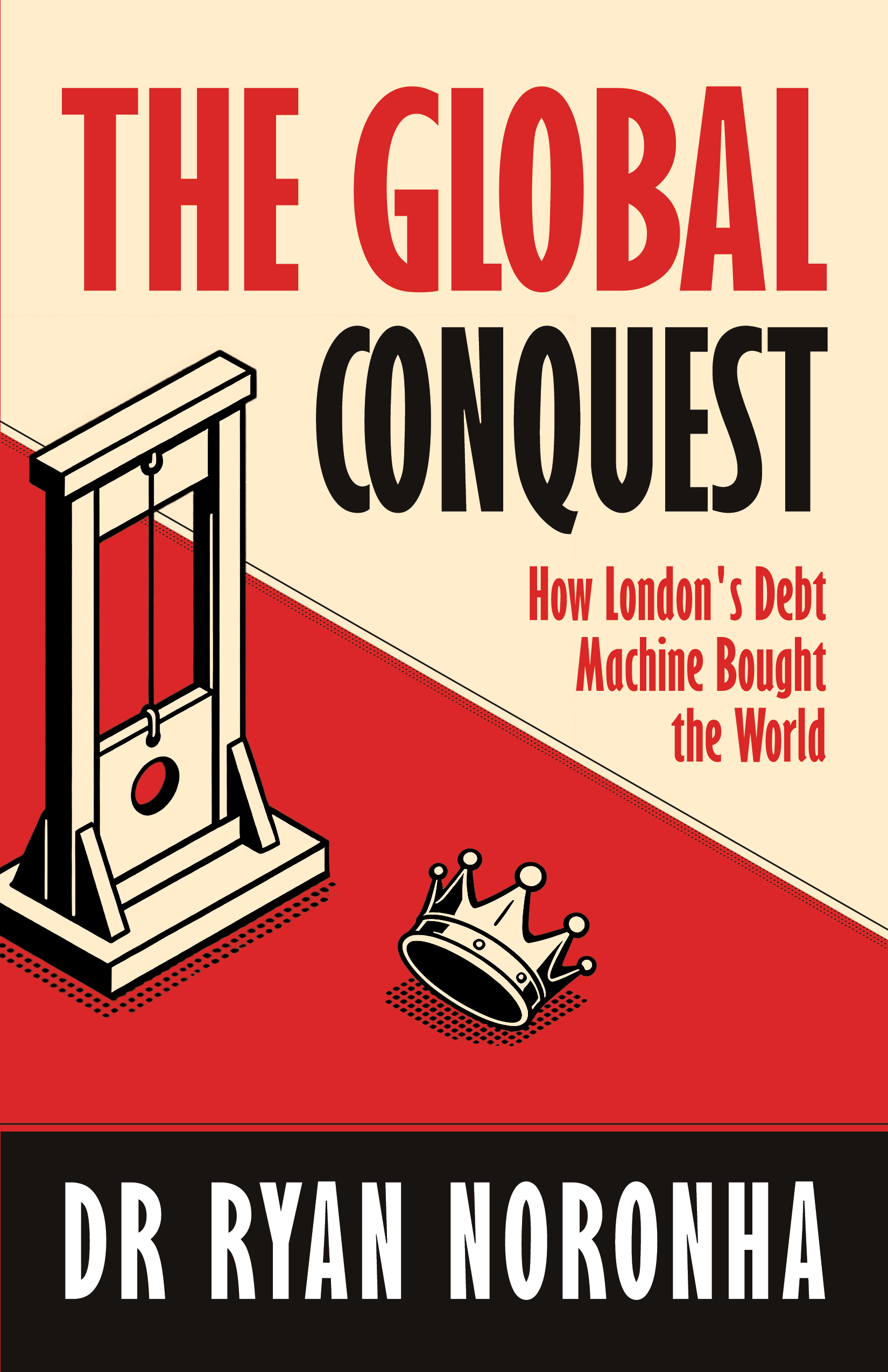
How London's Debt Machine Bought the World
COMING 2026
BOOK III
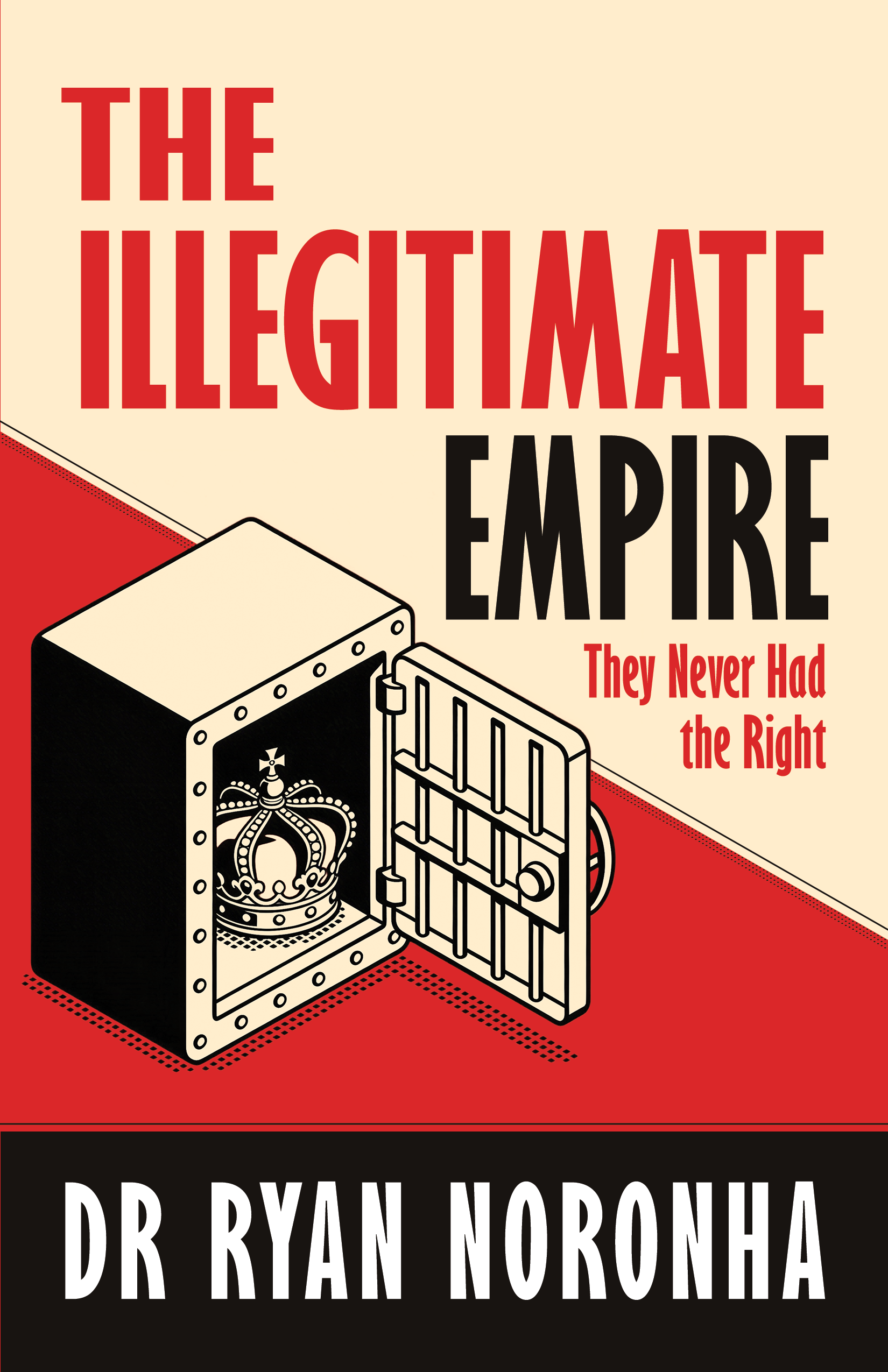
They Never Had the Right
COMING 2026
BOOK IV
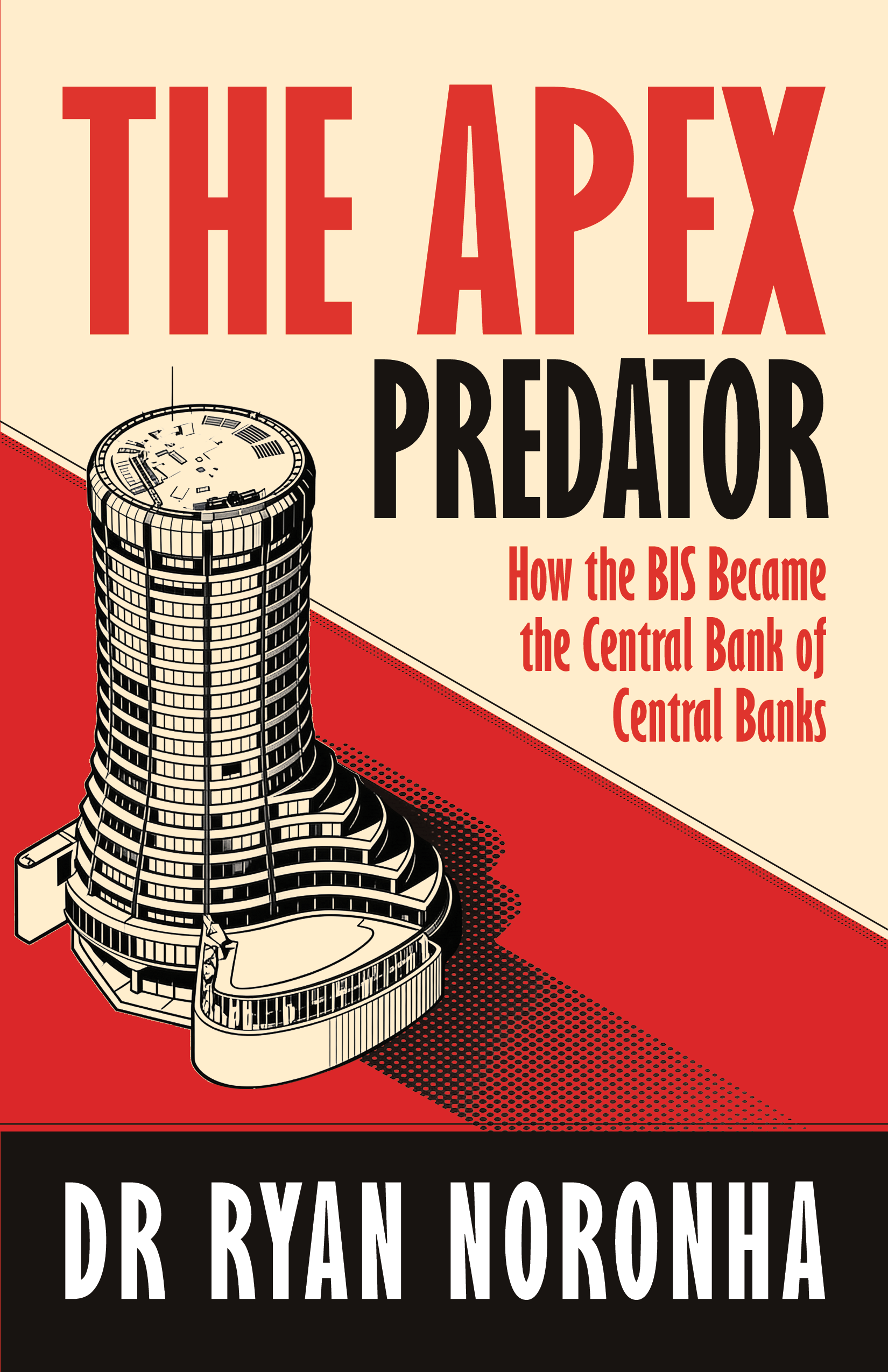
How the BIS Became the Central Bank of Central Banks
COMING 2026“Before 1688, kings controlled money. After 1714, money controlled kings.”
— THE DUTCH COUP
The empire didn’t end. It came home. Two books documenting the extraction and the children the system deliberately loses.
The Colonisation of Britain
COMING SEPTEMBER 2026
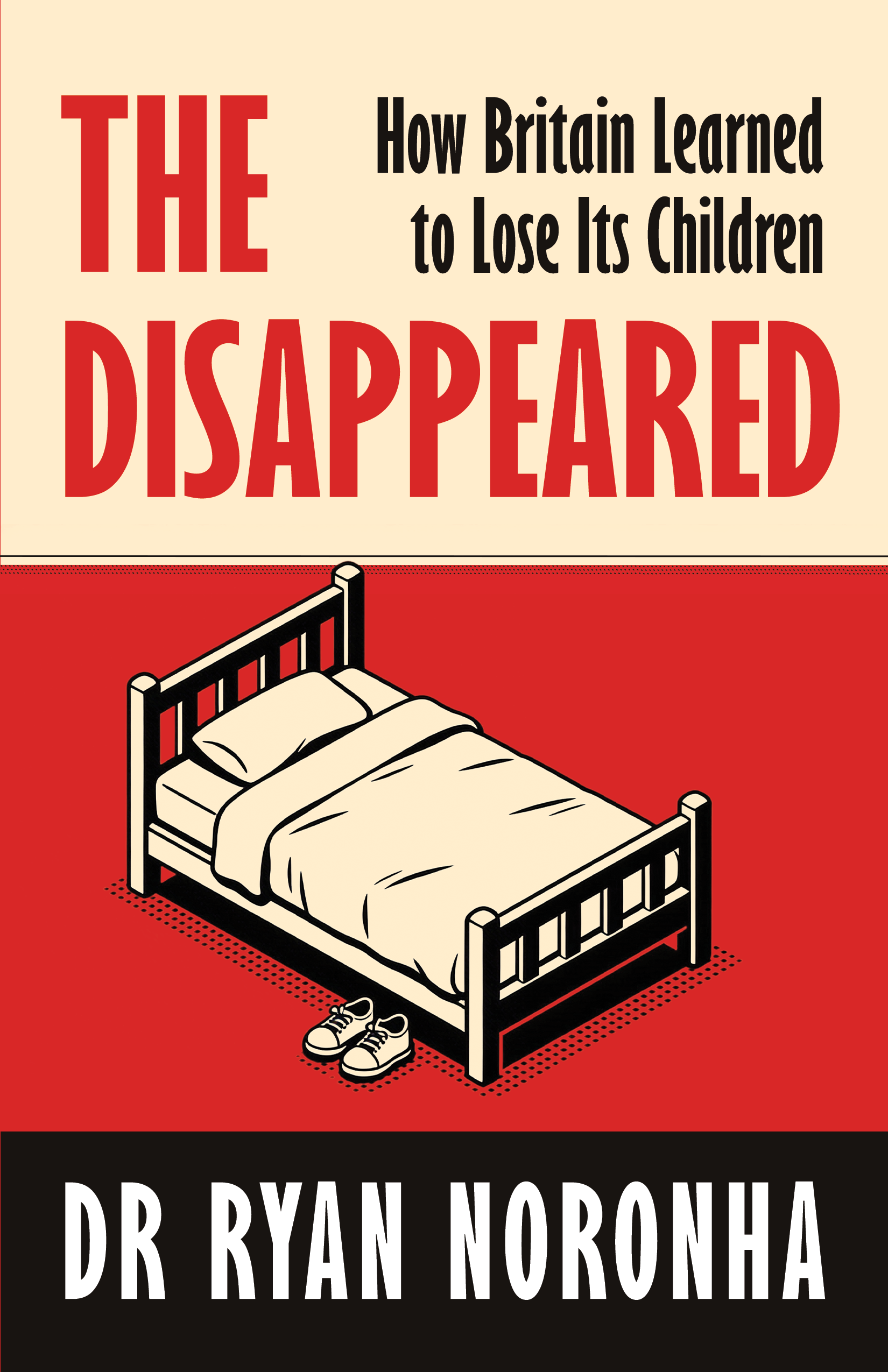
How Britain Learned to Lose Its Children
COMING 2026“The empire didn’t disappear. Its machinery came home.”
— THE EMPIRE COMES HOME
The richest country in history, where the citizens are the crop. Two books mapping the machine.
How America Harvests Its Own
COMING 2026
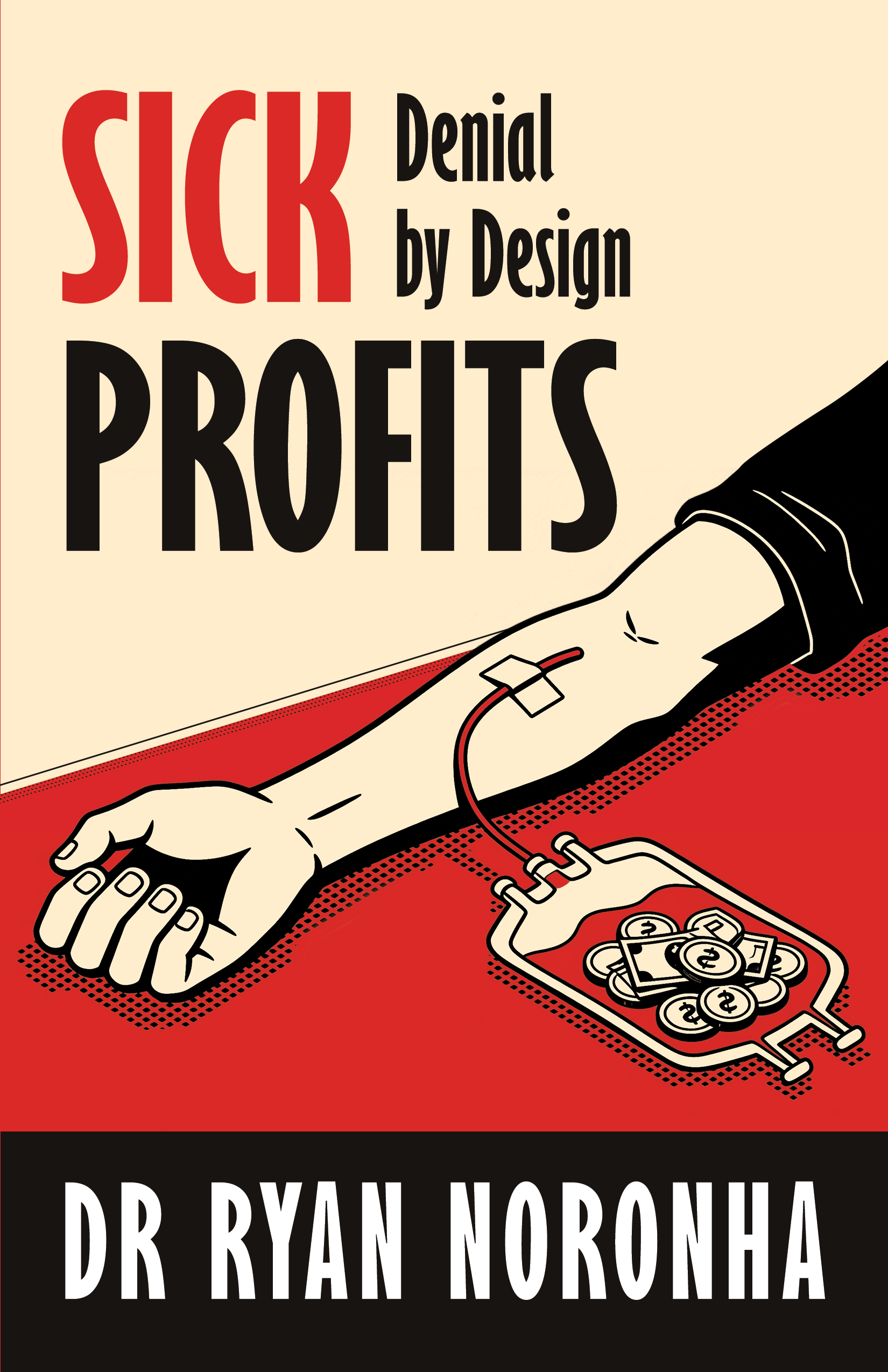
Denial by Design
COMING 2026
A DIFFERENT KIND OF BOOK
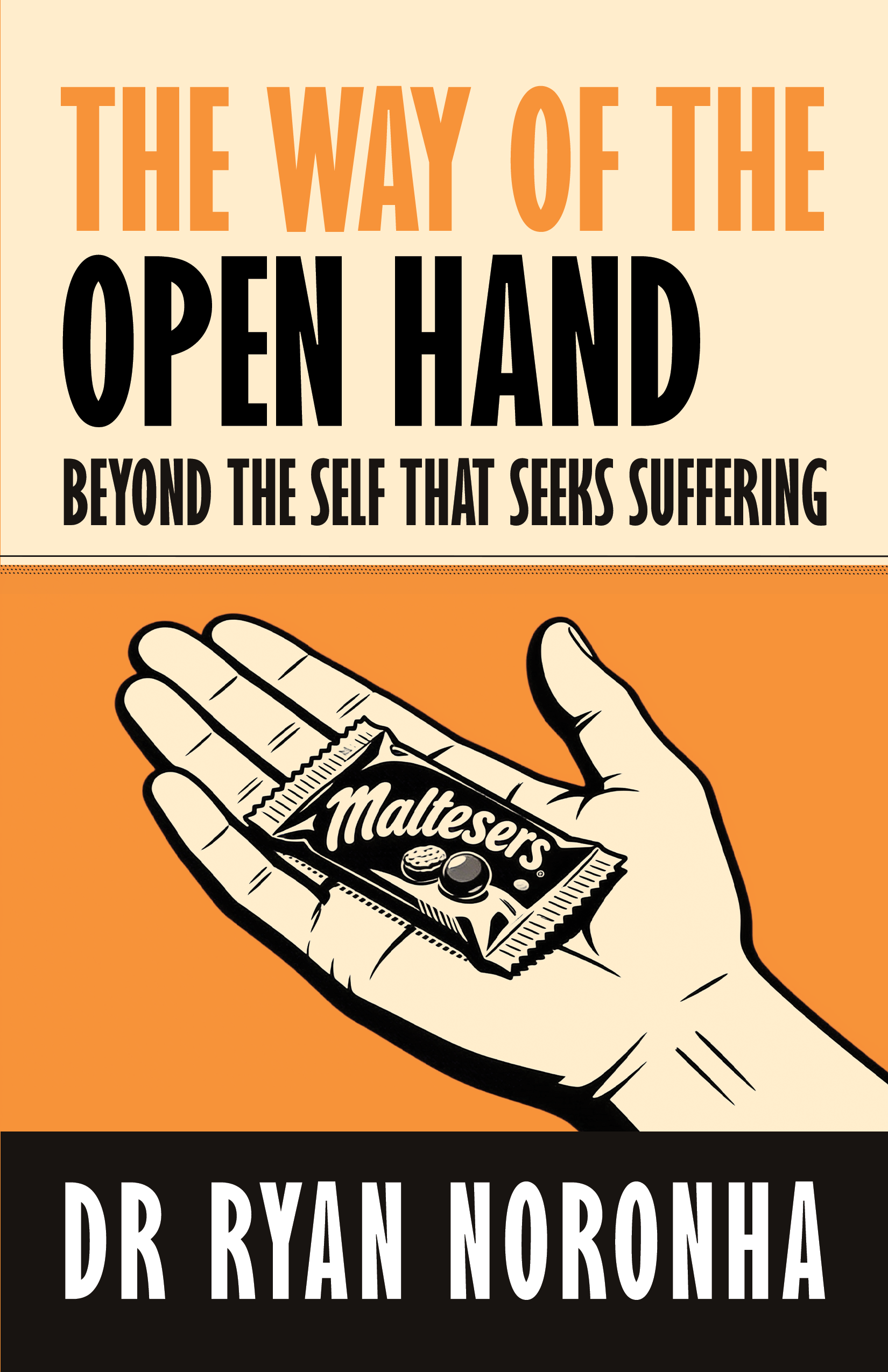
Beyond the Self That Seeks Suffering
After 25 years of psychiatry, one pattern sits beneath almost every presentation: avoidance. Address what you’ve been avoiding and the soul releases its grip. Immediately.
“You have two problems. Not fifteen. Two. You’re avoiding what needs doing, and you’re beating yourself up for not doing it. That’s 90% of your suffering.”
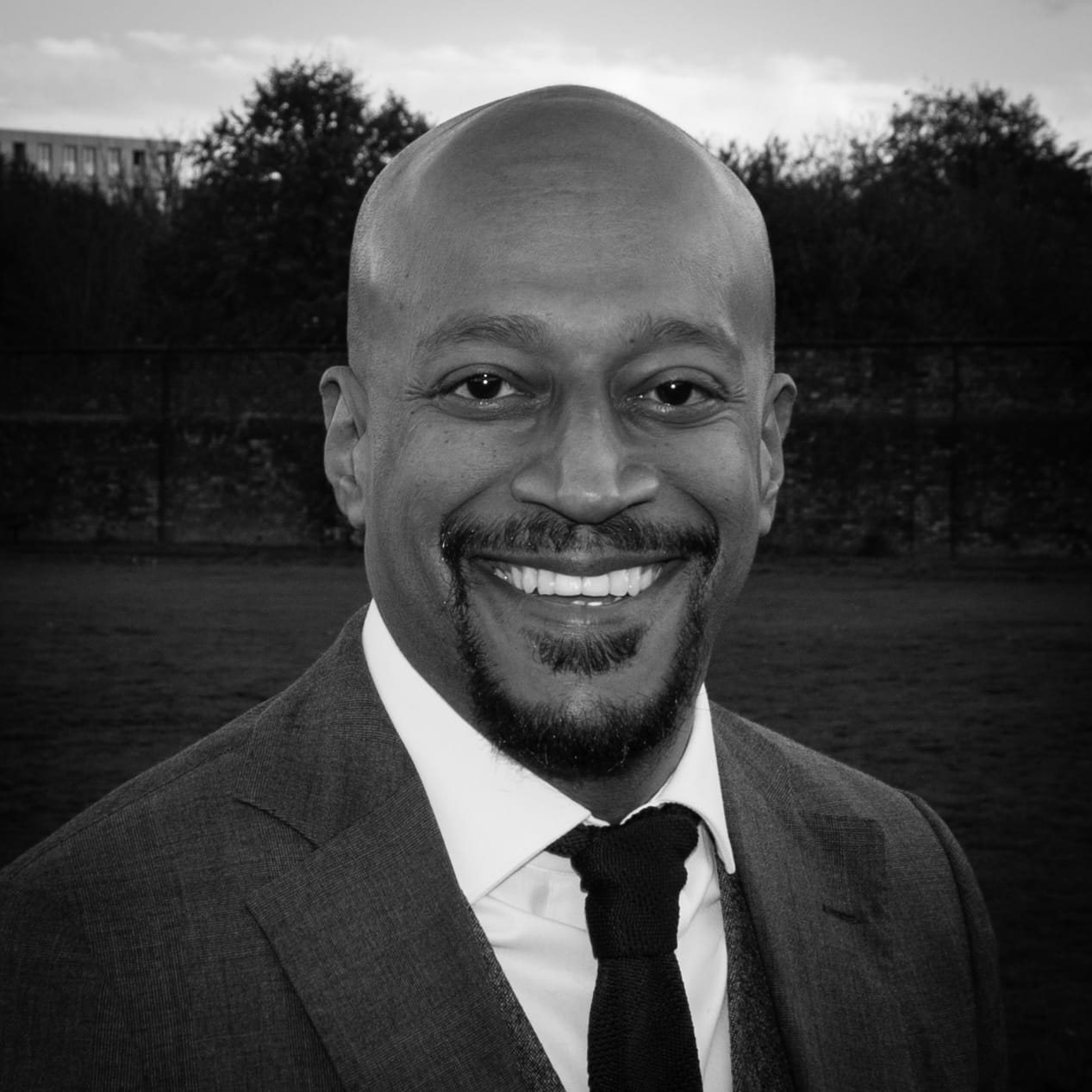
Dr Ryan Noronha works as a Consultant Psychiatrist with 25 years of experience in the NHS. He has worked across multiple trusts in adult mental health, with a focus on trauma-informed care and collaborative approaches that treat people as people, not diagnostic categories.
His clinical work led him to a broader question: what happens when the systems meant to serve people begin serving something else? Following that question took him from psychiatry into institutions, from institutions into political economy, and eventually to the financial architecture beneath them.
His geopolitical research began with a deceptively simple question: why does every nation on Earth carry debt to private institutions? The answer took five books and 400 years of history.
His research has taken him from fieldwork in Israel and Palestine to the history of Amsterdam’s Wisselbank, the Bank for International Settlements in Basel, and the institutional legacy of empire in modern Britain.
He writes to make complex systems visible and to give readers the tools to examine them independently.